How to Build a Personal Fragrance Wardrobe
Map real occasions and give existing bottles a role before adding more categories.
Published 2026-10-14 · Fragrentis editorial team2 min read
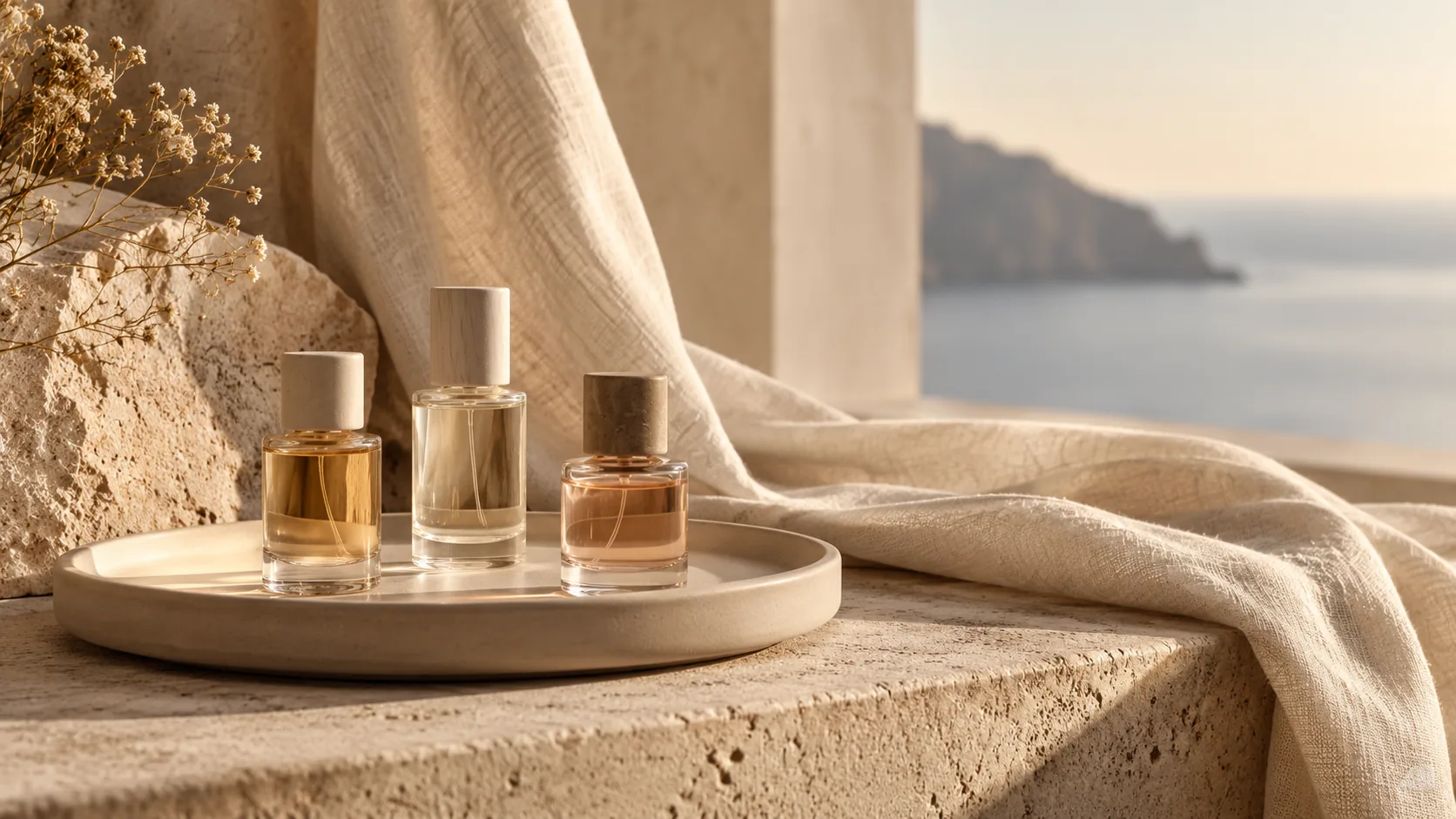
A personal fragrance wardrobe is useful when it reflects the occasions you actually have. It need not include a formal scent, a travel scent, a winter scent and every other category a shopping guide can invent. Begin with the ordinary week and leave the categories open until a real need gives them a purpose.
Draw a map of actual use Write three recent situations in which you chose to wear perfume. Add where you were, how long you expected to stay and what kind of impression you wanted for yourself. If two situations felt similar, let one choice cover both. A collection does not become less personal because a familiar bottle does several jobs.
Now add the situations where you prefer no fragrance. A useful wardrobe makes room for those too. A scent-free setting, an expressed preference from someone sharing the space, or simply a day when you do not want perfume is not a gap to be filled. It is part of the map.
Give each bottle a reason to remain For every bottle you already own, write one sentence beginning “I reach for this when…” If you cannot finish the sentence, mark the bottle as undecided instead of inventing an occasion. You might still enjoy it, but enjoyment and routine use are different reasons to keep something.
An invented map might have one familiar choice for ordinary days, another for quiet evenings, and a sample reserved for a specific future outing. It does not need a purchase to become complete. The map should reveal where decisions are easy and where you are repeatedly unsure, rather than reward a larger shelf.
Try a small adjustment before adding more If a bottle is overlooked, give it one appropriate opportunity to be used again. Keep the experiment within product directions and any preferences of the people around you. Afterwards, note whether you enjoyed the choice and whether you would willingly repeat it. Do not infer other people's reactions unless they actually shared them.
Review the map after a few weeks. Remove a category that did not correspond to real life, combine two that served the same purpose, or identify one genuinely different question to sample. A personal wardrobe is a changing arrangement of preferences. It works when it reduces indecision and makes familiar things easier to enjoy, not when it resembles someone else's neatly photographed collection.
A Fragrentis editorial publication. Editorial policy and disclosure.